Water Softeners & Water Treatment in Irvine, CA
White deposits on faucets? Spots on glasses? Looking for drinking-water filtration at the kitchen sink? Start with the problem you want to solve.
Compare water softeners in Irvine with salt-free conditioning, whole-house filtration and reverse osmosis. The right setup depends on your water goals, your home's plumbing and the care the equipment will need.
New installation • System replacement • Existing-equipment questions
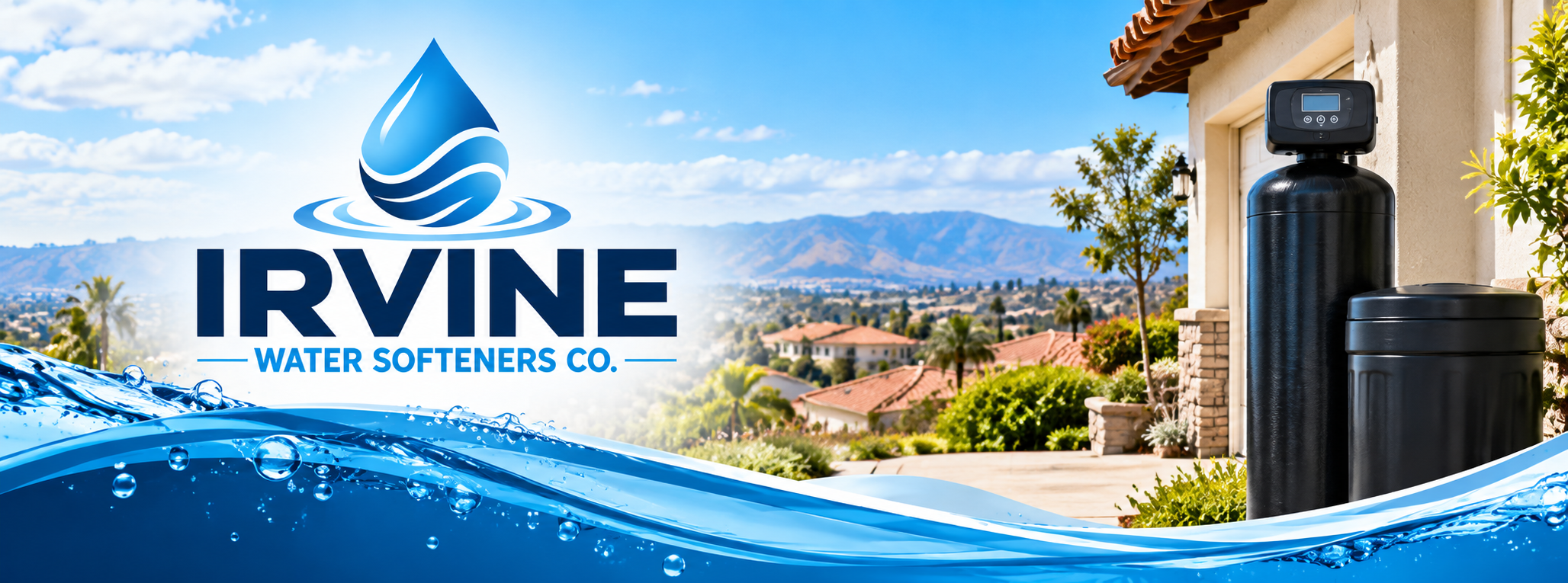
Equipment illustration — not a specific completed installation.
What Would You Like to Change About Your Water?
Mineral Deposits and Scale
White buildup on fixtures or frequent glassware spotting can lead homeowners to compare softening and conditioning. Identifying the cause and measuring hardness helps narrow the options.
Water Throughout the Home
If your goal is whole-home filtration, compare the filter media, treatment claims and flow capacity. A filter should be selected for the job it needs to do.
Drinking Water at the Sink
An under-sink system focuses treatment at a drinking-water tap. Compare reverse osmosis options, cabinet space, water output and replacement-filter needs.
An Existing System Needs Attention
Have an older softener or overdue filters? Start with the equipment model, symptoms and service history before deciding between maintenance, repair and replacement.
Water Softener Installation
A water softener reduces hardness minerals such as calcium and magnesium. System selection should start with measured hardness and the amount of water your household uses.
Before choosing equipment, check the main water connection, available space and whether the home already has a treatment loop. Drainage, power and service access depend on the system.
For Irvine properties, local utility guidance also matters. Compare the proposed equipment and installation requirements before committing to a setup.
Salt-Free Water Conditioning
Salt-free conditioning and water softening serve different goals. A conditioner may be designed to manage scale without removing the minerals that cause hardness.
Do not assume a product described as a "salt-free softener" will lower a hardness test reading or provide the same results as ion-exchange softening. Compare the actual technology, documented performance and limitations.
If scale control is your main concern, ask how the specific system works and what upkeep it needs.
Whole-House Water Filtration
Whole-house filtration treats water near the point where it enters the home. Depending on the selected equipment, filtration may address sediment, taste, odor or other documented treatment targets.
Different filters do different jobs. A sediment filter is not a substitute for carbon filtration, and a general carbon claim does not establish chloramine performance.
Compare model-specific treatment evidence, flow rate and pressure requirements. Include filter or media replacement costs when comparing systems.
Reverse Osmosis Systems
Reverse osmosis is commonly used for drinking-water treatment at a dedicated kitchen faucet. It can be considered separately from whole-home treatment or as part of a combined setup.
Installation planning includes cabinet space, faucet placement, drain connections and system output. A refrigerator or ice-maker connection requires its own compatibility and plumbing review.
Filters and membranes need ongoing care. Compare replacement-part availability and maintenance requirements alongside the equipment price.
Water Softener Repair
If a softener seems less effective, the cause needs checking before replacing the entire system. Changes in settings, salt bridging, resin condition or control components may be relevant.
Useful starting details include the brand, model, age and what has changed. Equipment compatibility and parts availability help determine whether repair is practical.
Call about your existing system to discuss the next step and available service scope.
Water Filter & RO Maintenance
Inherited a filtration system when you moved in? Unsure when the filters were last changed? Identify the equipment before ordering replacement parts.
Cartridge fit, membrane compatibility and service intervals vary by model. Water use and incoming water conditions can also affect maintenance needs.
An inspection can help distinguish routine filter service from a leak, performance problem or replacement decision. Call with the model information to discuss service availability.
Water Testing & Treatment Assessment
A useful water assessment connects measurements to your actual concern. Hardness testing addresses a different question from a general dissolved-solids reading.
Record whether a sample comes from untreated water or from a tap after existing equipment. That distinction helps when evaluating an installed system.
Ask what testing includes, whether fees apply and what the results can establish. A basic field assessment is different from certified laboratory analysis.
Not Sure Which System to Ask About?
Tell us what you are noticing, where the property is located and whether treatment equipment is already installed. You do not need to choose a system before calling.
Water Softener, Conditioner, Filter or RO?
Compare the purpose of each system before comparing packages. A combined installation may address more than one goal, but each component should have a clear job.
| System | Main purpose | What to check |
|---|---|---|
| Water softener | Reduce calcium and magnesium hardness | Measured hardness, sizing, system type and local guidance |
| Salt-free conditioner | Manage scale through a specific conditioning technology | Performance evidence, limitations and whether hardness remains |
| Whole-house filter | Treat water entering the home for documented filtration targets | Media, treatment claims, flow capacity and replacement needs |
| Reverse osmosis | Treat drinking water at a dedicated outlet | Model-specific reduction claims, output, installation space and servicing |
No single equipment label tells you everything a system can do. Check the exact model and its documented performance.
What Irvine Homeowners Should Know About Their Water
Irvine Ranch Water District explains that water sources and blending can change throughout the year. Hardness and taste can vary by location and season, so one number should not be treated as the hardness level for every Irvine home.
Hardness refers to mineral content. It is not, by itself, evidence that drinking water is unsafe. Treatment decisions should focus on your measured water conditions and the result you want.
IRWD uses chloramines, which makes equipment-specific filtration claims important when comparing systems for that treatment goal.
IRWD also discourages self-regenerating softeners that use salt or potassium because their discharge increases salinity in recycled water. It encourages cylinder-exchange softening services. This utility guidance should not be presented as proof of a citywide legal ban.
Check applicable requirements for the property and proposed installation. Exchange-tank availability also needs confirming with the provider.
Will a Water Treatment System Fit Your Home?
Choosing equipment is only part of the job. The installation needs to work with the property.
Main Water Line and Existing Loop
Confirm where water enters the home and whether a usable treatment loop is present. A builder-provided loop does not automatically establish compatibility with every system.
Equipment Space and Service Access
Allow room for equipment, connections and future maintenance. Garage cabinets, narrow side yards and under-sink storage can affect placement.
Drainage, Power and Plumbing
Requirements vary by equipment. Include any necessary connection work in the installation scope rather than assuming the equipment price covers everything.
Condos, Rentals and Shared Plumbing
Whole-home treatment may need a different approach where plumbing is shared. Check ownership, landlord permission and applicable association requirements before making changes.
Household Water Demand
Sizing should account for water use and simultaneous fixtures. A larger equipment package is not automatically the best fit.
Comparing Installation Quotes? Look Beyond the Tank Price
A useful comparison includes both the equipment and the work needed to install and maintain it.
Ask for:
- Equipment model and treatment purpose
- Plumbing connections and installation location
- Required drain or electrical work
- Startup and setup
- Permit-related work where applicable
- Filter, media or other ongoing supplies
- Maintenance responsibilities
- Written warranty terms and who handles service
The total depends on the equipment, property layout and work required. Call to discuss your project rather than relying on a generic citywide price.
Start With a Simple Phone Call
Explain Your Water Concern
Tell us whether you want to address deposits, whole-home filtration, drinking-water preferences or an existing-system issue.
Discuss the Property and Equipment
Have your Irvine address and any existing equipment model handy. Discuss available services and what assessment is needed.
Review the Proposed Scope
Before agreeing to work, confirm the equipment, installation requirements, price and service responsibilities.
Water Treatment Questions Across Irvine
Whether your property is in Woodbridge, Northwood or Westpark, start with the actual plumbing and water conditions at the home.
The same applies in Turtle Rock, Turtle Ridge, Woodbury, Orchard Hills and Portola Springs. A neighborhood name alone does not tell you whether a home has a treatment loop, which equipment will fit or what its measured hardness is.
For the Irvine Spectrum area, property type and permission to modify plumbing may be especially relevant to the assessment.
Call with your address to check service availability and discuss your installation or maintenance needs.
Clear Questions Before You Choose Equipment
Keep your water goal at the center of the decision. Ask what the system does, what it does not do and what it will cost to maintain.
Before work begins, confirm who performs the installation, who supplies the equipment and who handles future support. Written scope and equipment documentation make options easier to compare.
Frequently Asked Questions
Talk Through Your Irvine Water Treatment Options
Whether you are comparing a new system or asking about existing equipment, start with your water concern and the property details. Call Irvine Water Softeners Co. to discuss available options and the next step.